
The rubber tensile testing machine, revolutionized.
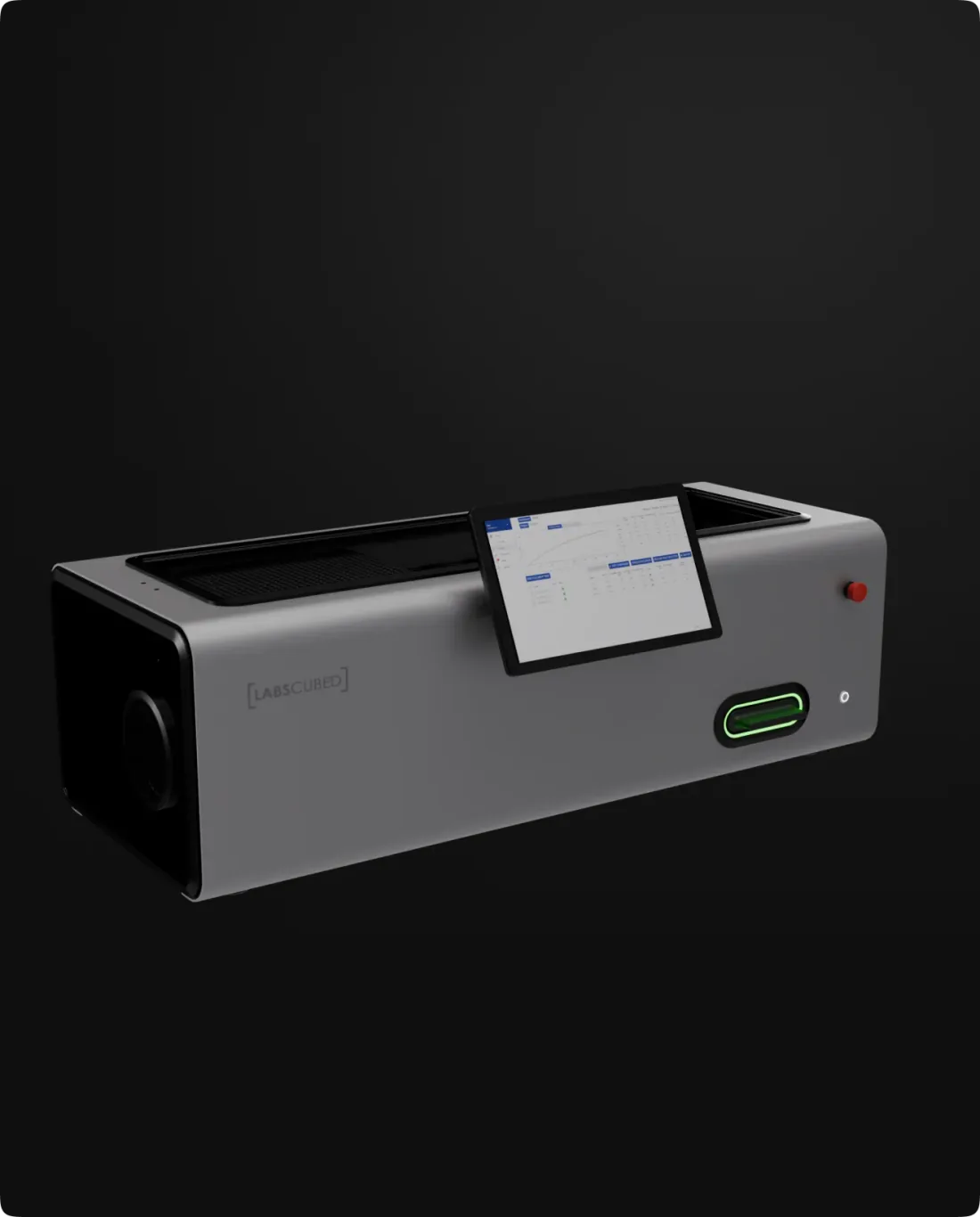
The CubeOne measures, grips and pulls up to 12 rubber specimens unattended — ASTM D412, ISO 37 and ASTM D624 results your whole lab can trust.


Built to remove every variable.
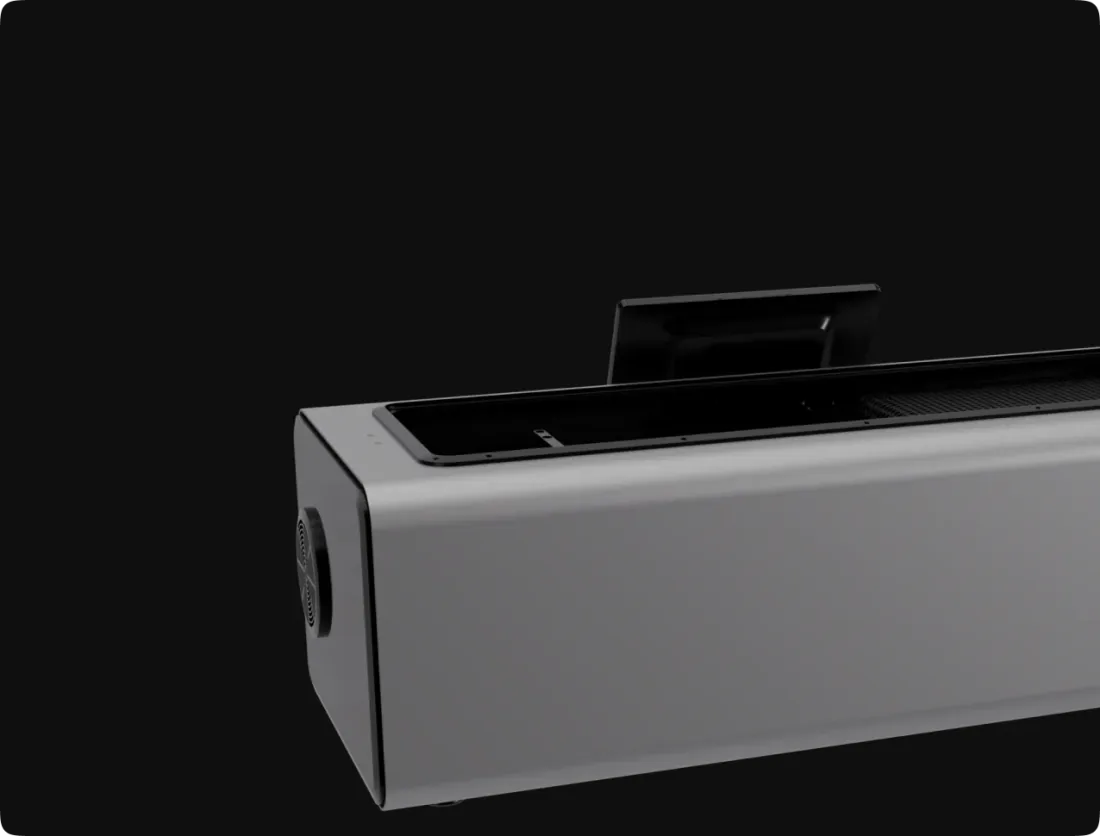
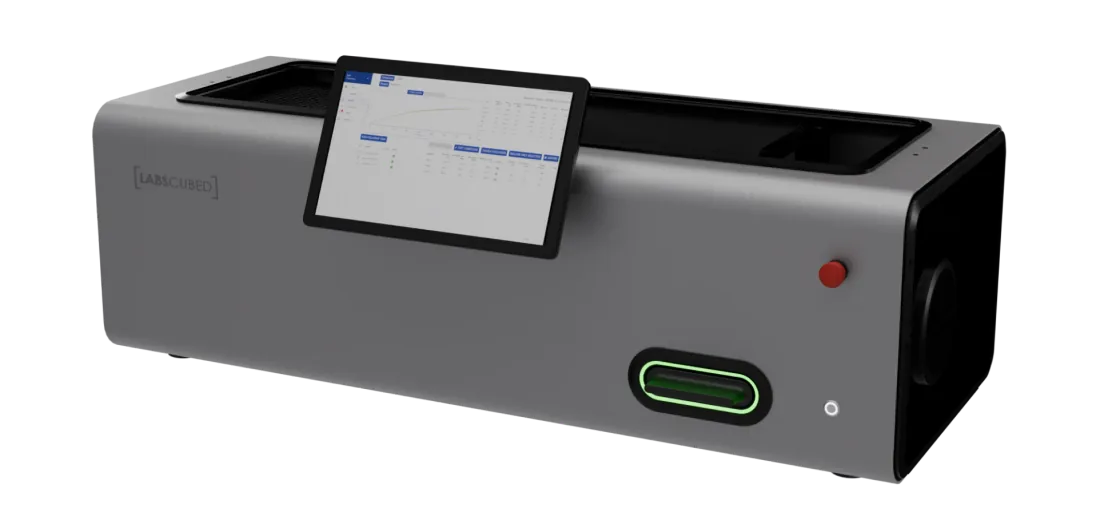
The CubeOne is a user-friendly automated testing machine designed specifically for rubber and elastomers.

Recover lab time
Load the tray and walk away — the CubeOne saves up to 85% of your team's testing time for higher-value work.

Optimize your lab
Maximize ROI while accelerating lab results and making better use of every technician hour.

Ensure data consistency
Automated testing delivers up to 40% more consistent results, proven by extensive studies.
Every rubber specimen the CubeOne tests.
ASTM D412 and ISO 37 dumbbells for tensile, plus ASTM D624 tear dies — select one to see its dimensions. Mix compounds and specimen types on the same tray.

Automated rubber tensile testing to ASTM D412 — loaded, gripped and measured unattended, end to end.
Trusted by quality teams worldwide.
Real words from rubber and elastomer labs running the CubeOne every day.
“We've added the CubeOne to our quality department. This allowed for better repeatability of the measurements and gave the technician time to perform other tasks during each test sequence. The LabsCubed team was very responsive in adapting the interface with our other systems.”

Watch a real CubeOne test, synced to its data.
Specimen 01 of a 10-specimen black neoprene run to ASTM D412 Die C. The CubeOne measures and grips the dumbbell, then pulls at a constant 500 mm/min until it breaks — follow the speed and strain as the point climbs the curve.
- Video time
- 0.0 s
- Strain
- 0.00 %
- Stress
- 0.00 MPa
| Property | Mean | ± SD | CV | Min | Max |
|---|---|---|---|---|---|
| Break stress MPa | 9.21 | 0.17 | 1.80% | 8.88 | 9.41 |
| Break strain % | 491.10 | 12.20 | 2.48% | 475.24 | 507.87 |
| Tensile strength (max stress) MPa | 9.21 | 0.17 | 1.81% | 8.88 | 9.42 |
| Strain at max stress % | 491.04 | 12.11 | 2.47% | 475.24 | 507.32 |
| 100% modulus MPa | 2.73 | 0.03 | 1.19% | 2.69 | 2.79 |
| 200% modulus MPa | 4.86 | 0.05 | 1.13% | 4.77 | 4.94 |
| 300% modulus MPa | 5.88 | 0.04 | 0.65% | 5.82 | 5.95 |
Load, configure, press start. Done.
Three steps from specimen to results — and the CubeOne handles everything in between.
Load your samples
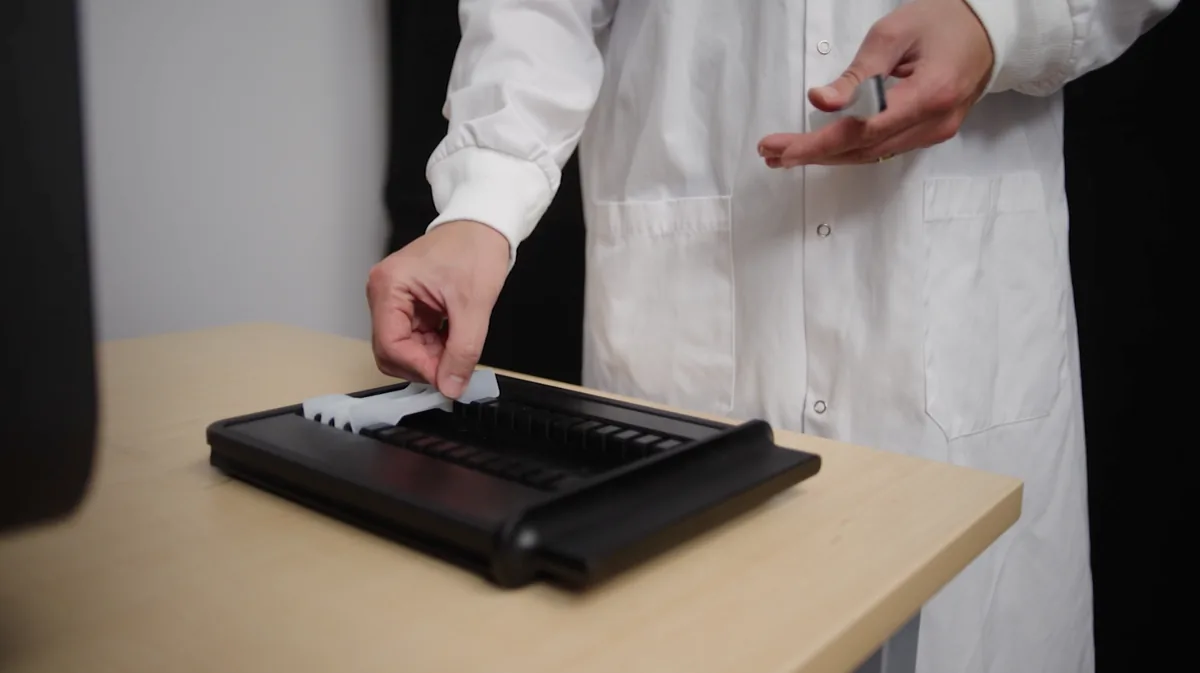
Load up to 12 tensile or tear specimens at once — mix compounds and materials on the same tray.
Start the test
Enter compound names on the touchscreen and start the run with a single touch.
Review your data
When the run finishes, review results on the machine touchscreen, in your own system, or in the LabsCubed cloud.
The numbers that matter.
Lead with the outcomes, then check them against the full specification.
of technician testing time recovered for higher-value work.
more consistent results, proven by extensive studies.
rubber specimens loaded and tested in a single run.
CubeOne specification
Key features and performance criteria of the CubeOne.
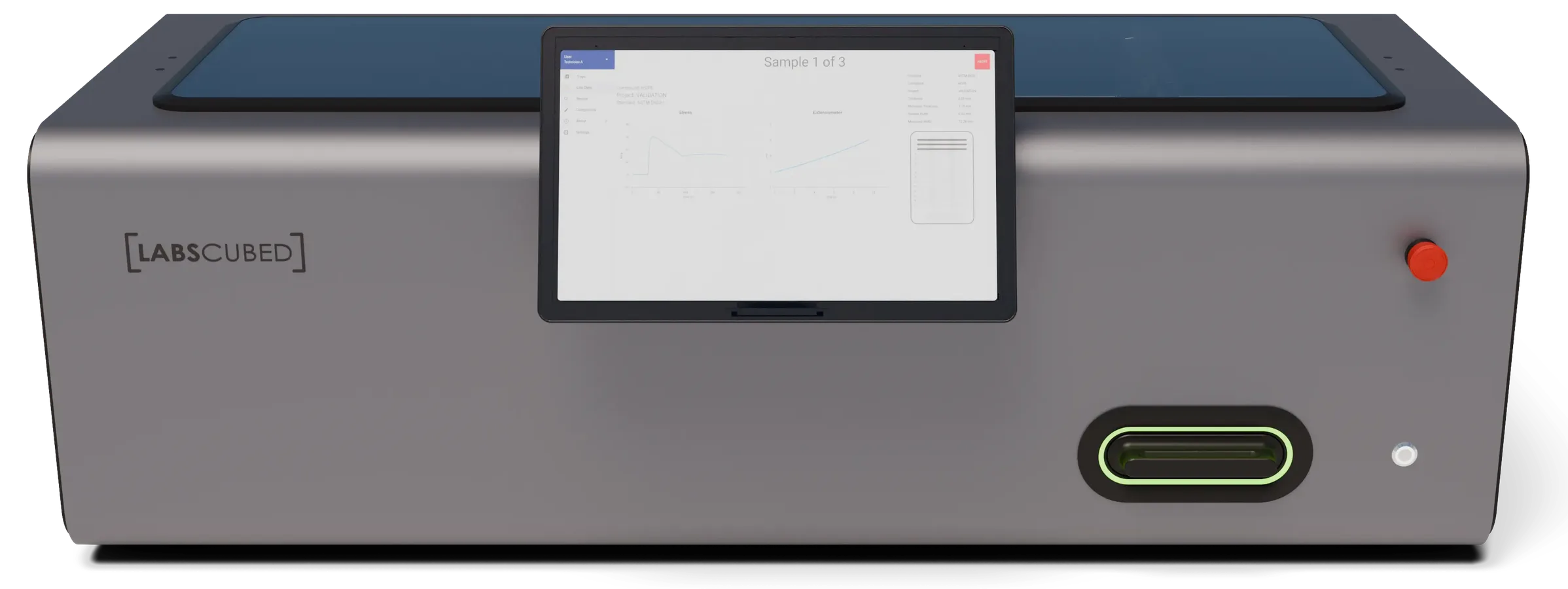
- Tensile standards
- ASTM D412 · ISO 37
- Tear standard
- ASTM D624 (Die B, Die C)
- Force (Omega Load Cell)
- Up to 1 kN
- Max elongation
- 1000%
- Max speed
- 150 mm/s (6 in/s)
- Sample capacity
- Up to 12 specimens per run
- Thickness
- Measured automatically
- Strain measurement
- Crosshead · video extensometer
- Weight
- 150 lbs (75 kg)
- Power supply
- Standard 110 V outlet
Download the CubeOne brochure
Specs, supported standards and specimen types, and how the CubeOne automates rubber tensile and tear testing, in one PDF. We'll email it to you.
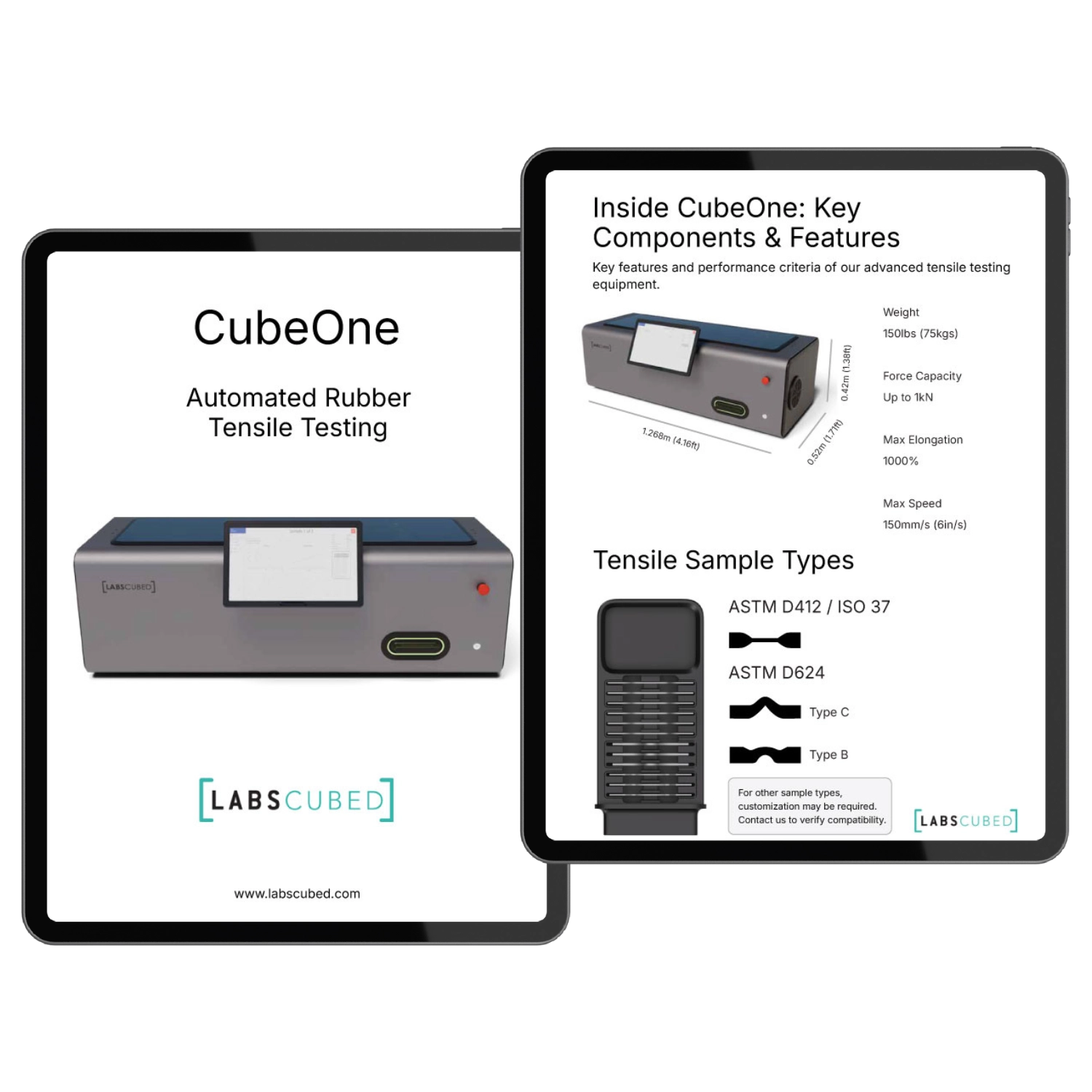
How the CubeOne measures strain accurately
Every CubeOne pairs a built-in encoder with a non-contact video extensometer, so each elastomer is measured by the right method — even at very high elongations.
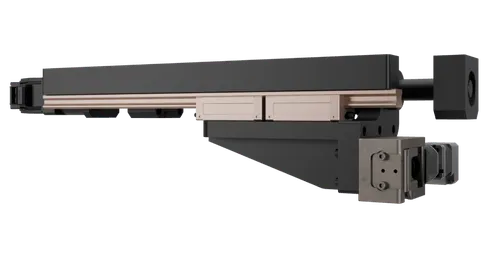
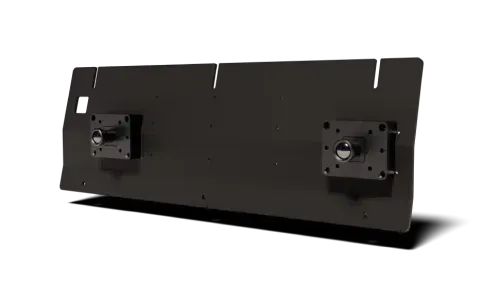
Frequently asked questions
What is the CubeOne?
The CubeOne is LabsCubed's automated tensile testing machine for rubber and elastomers. Load up to 12 specimens at once and it measures thickness, grips and pulls each one unattended — with a force capacity of up to 1 kN, elongation up to 1000% and speeds up to 150 mm/s — while your team moves on to higher-value work.
Is the CubeOne a universal testing machine for rubber?
It does the job a universal testing machine (UTM) does in a rubber lab, as a dedicated rubber tensile testing machine: tensile testing to ASTM D412 and ISO 37 and tear testing to ASTM D624, up to 1 kN. Unlike a general-purpose UTM, it loads, measures and tests up to 12 specimens on its own, so the operator doesn't have to stand at the frame for every pull. Our universal testing machine for rubber buyer's guide on the LabsCubed blog compares both approaches.
Which testing standards does the CubeOne support?
Tensile testing to ASTM D412 and ISO 37, and tear testing to ASTM D624 (Die B and Die C), so the same machine covers your tensile and tear programs.
What is the difference between ASTM D412 and ISO 37?
Both evaluate the stress-strain behavior of vulcanized rubber and thermoplastic elastomers. ASTM D412 is the primary method in North America; ISO 37 follows a similar approach and is more widely used in Europe and other regions. They use different test speeds and specimen dimensions, but serve the same purpose. Choosing between them depends on whether your project or customer follows North American or international quality standards.
Which specimen types can the CubeOne test?
ASTM D412 Method A dumbbells — Die C, the most common elastomer die, and the smaller Die D — the ISO 37 Type 2 dumbbell, and the ASTM D624 Die C and Die B tear specimens. Method B ring specimens are not supported; Method A is the more commonly used method.
What types of rubber can the CubeOne test?
A wide range of elastomers tested at ambient temperature, including natural rubber (NR), SBR, EPDM, NBR, neoprene and silicone (VMQ), from custom compounds to production batches.
Which properties does ASTM D412 report?
Tensile strength, tensile stress at a given elongation (modulus), ultimate elongation, tensile set, and the full stress-strain curve. For highly elastic materials the test may not reach fracture, in which case the focus shifts to elongation and recovery characteristics.
Does the CubeOne support all extensometer types?
The CubeOne supports two of the three: a video extensometer for precise, non-contact strain measurement, and crosshead displacement. An automated physical extensometer is not available on the CubeOne.
What test conditions need to be controlled?
Temperature, humidity, and testing speed can all affect results and should be controlled. Specimen preparation matters too: dumbbells are typically die-cut from molded sheets or plaques, and should be cut so their length runs parallel to the extrusion grain direction.
Is the CubeOne right for my lab's testing volume?
The CubeOne is built for Lab Managers, Quality Directors and R&D Engineers at rubber compounders and processors with medium-to-high testing volumes — typically facilities running 50 or more rubber samples per day.
What is the typical ROI for a CubeOne?
Most customers achieve a full return on investment in 18–24 months, driven by recovering up to 85% of technician testing time and by reducing costly scrap and rework through eliminating operator-induced variability.
How do I access and visualize my test data?
Data is recorded instantly and can be reviewed on the machine's touchscreen or in the cloud-based LabsCubed Portal. Our software team integrates directly with your existing systems, including Alpha Workbench, Uncountable, SAP and other LIMS/ERP platforms.
What is the difference between the CubeOne and the CubeTen?
The CubeOne is built for rubber and elastomers, with up to 1 kN of force and optimized for high-elongation materials. The CubeTen is engineered for rigid plastics and high-strength materials, with up to 10 kN of force and support for adhesive tests like Single Lap Shear and T-Peel.
Does the horizontal design affect accuracy compared to vertical UTMs?
No. LabsCubed has 10 years of comparative test data showing that our horizontal orientation delivers results identical to traditional vertical machines. The design is what enables high-speed robotic loading, and each system is precision-calibrated so gravity and friction have no impact on load readings.
What does installation and support look like?
Installing the CubeOne is simple: its compact frame sits on a bench and plugs into a standard 110 V outlet. A LabsCubed specialist performs on-site installation, calibration to ASTM standards and team training, followed by prompt remote support and annual on-site calibration services.
Ready to automate your rubber lab?
Get a tailored CubeOne quote for your testing standards and daily volume.